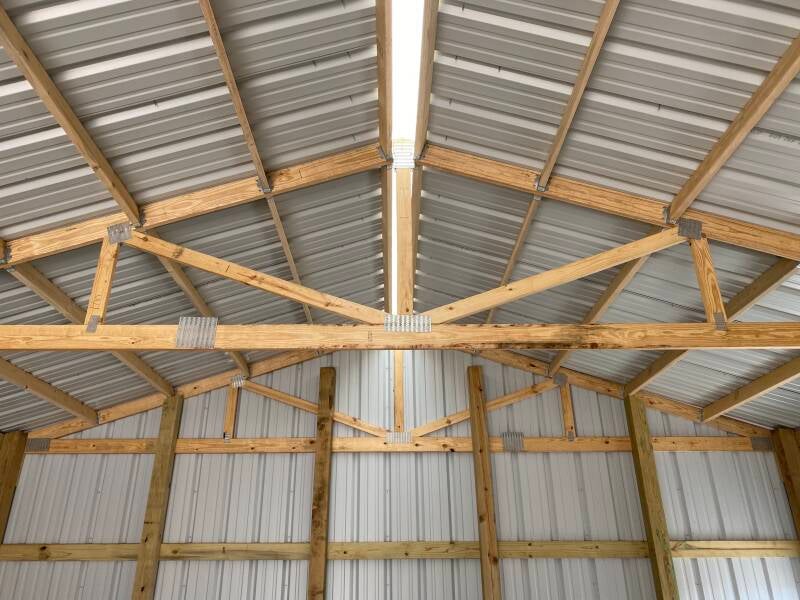
TBC framing detail with joist hangers and purlins

TBC Buildings & Concrete

WHY BUILD WITH
TBC?

The difference is not just how your building looks when it is finished—it is how TBC handles the concrete, framing, moisture barrier, and slab-edge details before you ever move in.

Why Go With TBC?

THE SMALL DETAILS PROTECT THE BIG INVESTMENT.

A building can look good on the day it is finished. TBC focuses on the material and construction decisions that customers may not see at first glance, but that matter at the slab, the wall line, and the framing connection.

01

CONCRETE FIRST. NO WOOD TO GROUND.

TBC forms and pours the concrete pad before setting the building, then allows it to cure for at least 72 hours. That keeps the structure from sitting against dirt or concrete—both can hold moisture against wood and contribute to rot over time.

02

VERTICAL 2×6 PURLINS WITH JOIST HANGERS.

Instead of laying 2×4 purlins flat, TBC uses 2×6 purlins set vertically and secured with joist hangers. It is a deliberate framing detail you can see in the real TBC project photos below.

03

PREMIUM EPDM SILL GASKET.

TBC brings this premium, higher-cost EPDM product in from another state as part of the wall-to-slab detail. It is an added material choice that separates the building from the concrete at the sill line.

04

THE 1-INCH METAL LIP.

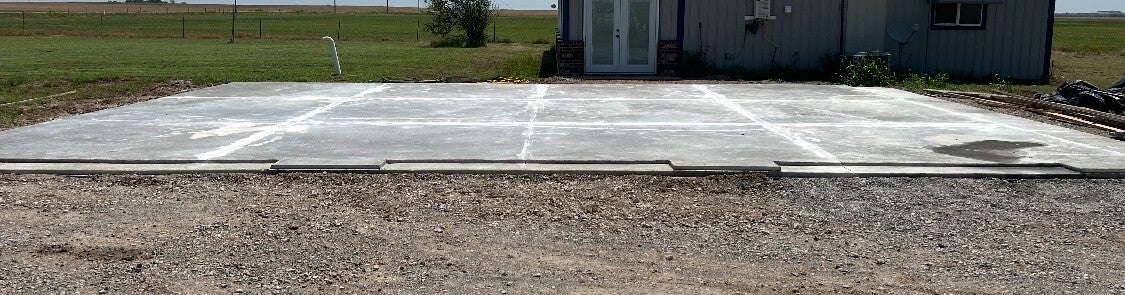
TBC includes a 1-inch metal lip around the building perimeter and at inset door openings. This extra edge detail helps manage water at the slab and wall line, and it is not included on every basic building.

The TBC Standard

WHAT IS INCLUDED IN THE TBC STANDARD?

Every project is custom and TBC prices it for the work requested. These are the standard construction details that set the TBC approach apart from a basic build.

Start an Estimate
01

26-gauge PBR sheet-metal panels

02

Large 6×6 treated posts

03

Vertical 2×6 purlins secured with joist hangers—not 2×4 purlins laid flat

04

A 4/12 roof pitch on the building

05

A 1/12 to 4/12 pitch on lean-tos

06

Concrete pad work formed and poured first, then allowed to cure for at least 72 hours before the building is set

07

Concrete wedge anchors and angle brackets at the posts

08

Premium, higher-cost EPDM sill gasket shipped in from out of state

09

Pre-engineered trusses on 10-foot centers

10

No wood-to-ground contact at the concrete and dirt line

11

A 1-inch metal lip around the building perimeter—an extra detail not every builder includes

12

Stamped engineered plans when required for permitting or requested by the customer
Framing FAQ

WOOD FRAME IS THE TBC SPECIALTY.

Both framing choices are available. TBC will explain the choice for your specific project before you build.

WHICH FRAME DOES TBC RECOMMEND?

Wood Frame is TBC's clear first choice and the construction method we specialize in. It is our standard build, supported by the concrete-first, vertical 2×6 purlin, and joist-hanger process shown on this page. It also makes everyday use easier: the average owner can screw in a hook or add a shelf later without needing to hire a welder.

DOES TBC STILL BUILD RED IRON?

Yes. Both TBC frame options are engineered for the same applicable wind and snow loads. TBC still builds Red Iron when it fits a customer's project, but future shelves, hooks, or other attachments require welding or hiring a welder. We will talk through the framing approach, project requirements, and price with you so you can make the right choice for your building.

Talk Through Your Options

Proof in the Work

REAL TBC DETAILS, UP CLOSE.

These are owner-supplied photos from the original TBC page. They show the workmanship details described above—not generic stock images.

TBC building interior framing with 2 by 6 purlins, joist hangers, and trusses

Roof & Framing

VERTICAL 2×6 PURLINS WITH JOIST HANGERS

TBC does not use 2×4 purlins laid flat. We set 2×6 purlins vertically and secure them with joist hangers—the framing approach shown in this owner-supplied project photo.

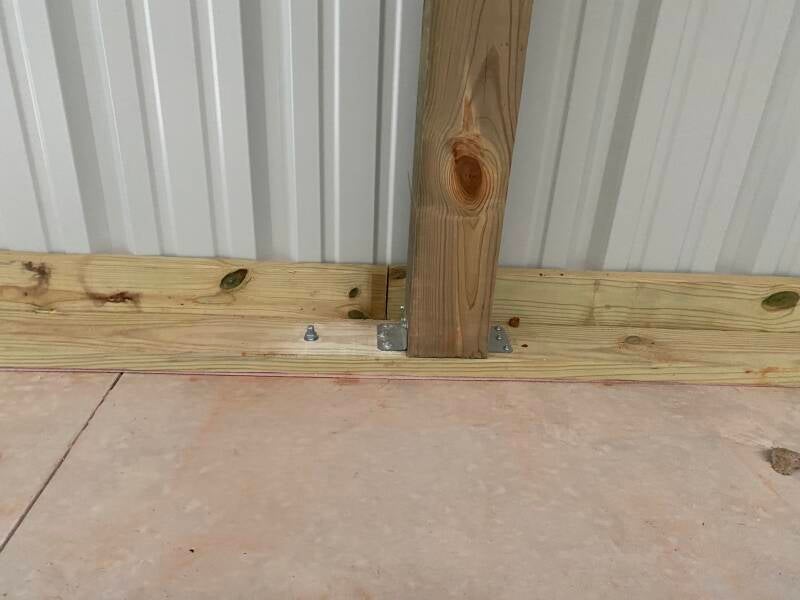
TBC treated wood post secured to a concrete slab with an angle bracket and wedge anchors

Anchoring

CONCRETE FIRST. NO WOOD TO GROUND.

TBC pours the pad first, lets it cure, then sets and anchors the building with 2×2×4 angle brackets and 1/2-inch by 4-inch concrete wedge anchors. Keeping the building off dirt and concrete helps avoid moisture held against wood.

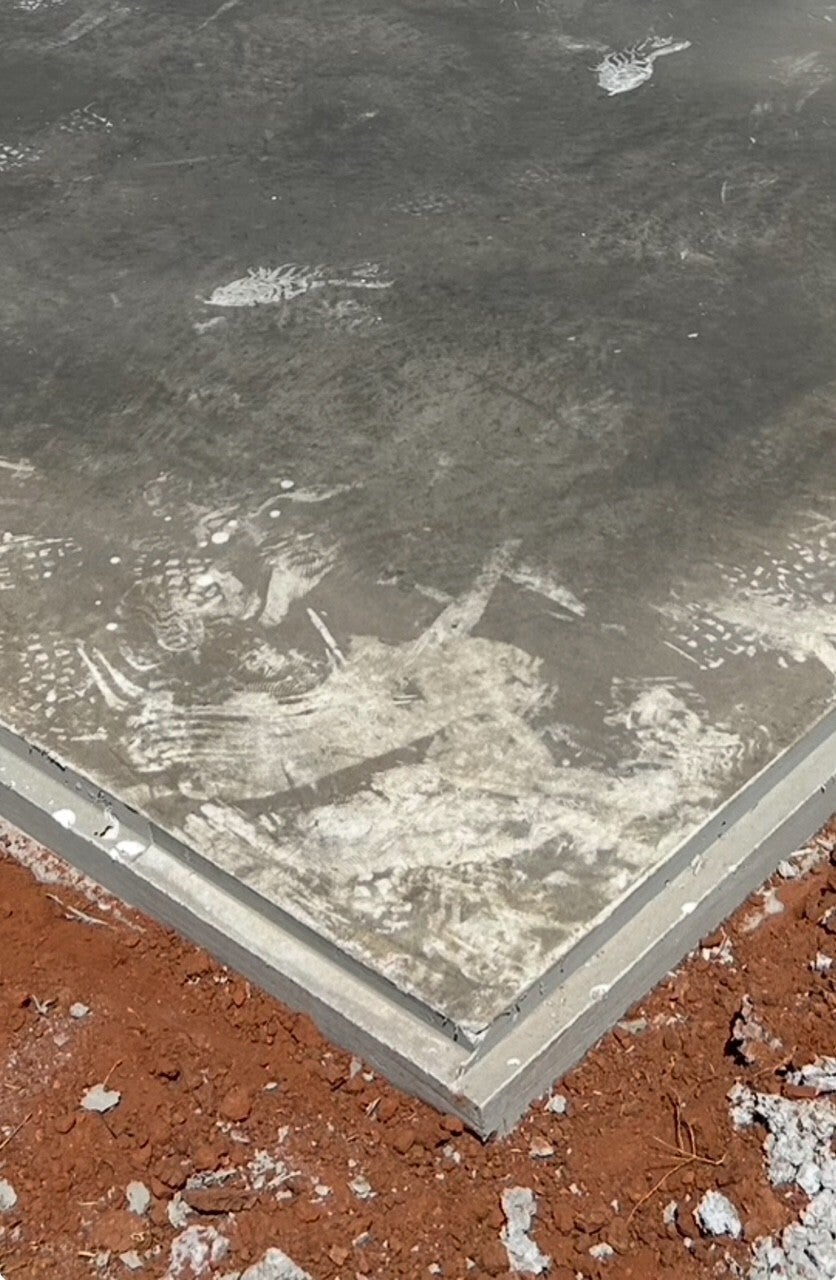
Concrete building pad with a visible metal perimeter lip at the slab edge

Perimeter Detail

THE EXTRA 1-INCH METAL LIP

TBC includes this 1-inch metal lip around the perimeter as an extra water-management detail at the slab edge and wall line. It is a standard TBC step, not a detail every basic building includes.

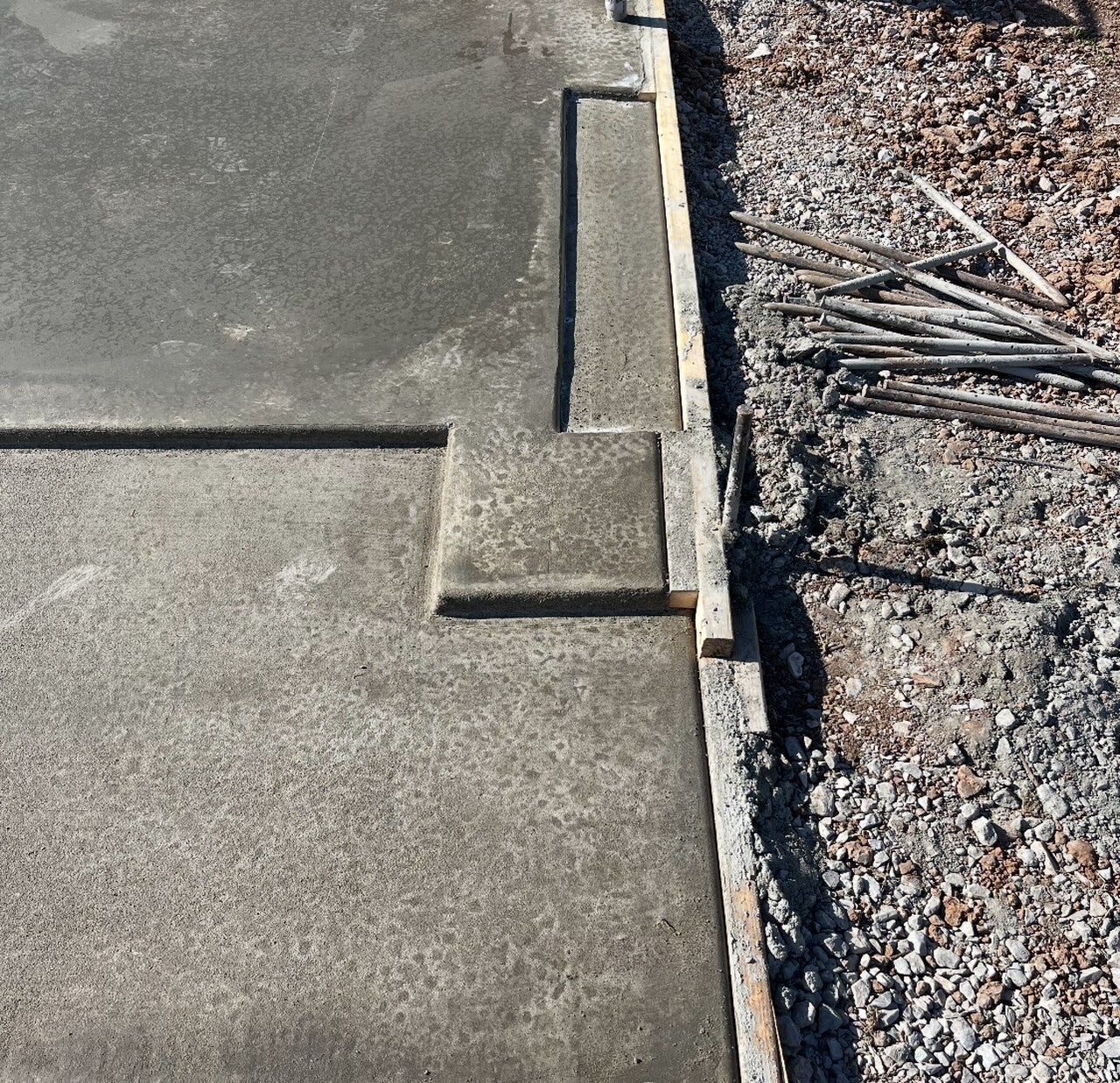
Concrete garage door opening with an inset and a raised lip detail

Garage Door Opening

INSET GARAGE DOOR WITH 1-INCH LIP

Garage door openings are set back with a 1-inch inset and metal-lip detail as part of TBC's standard approach to the opening.

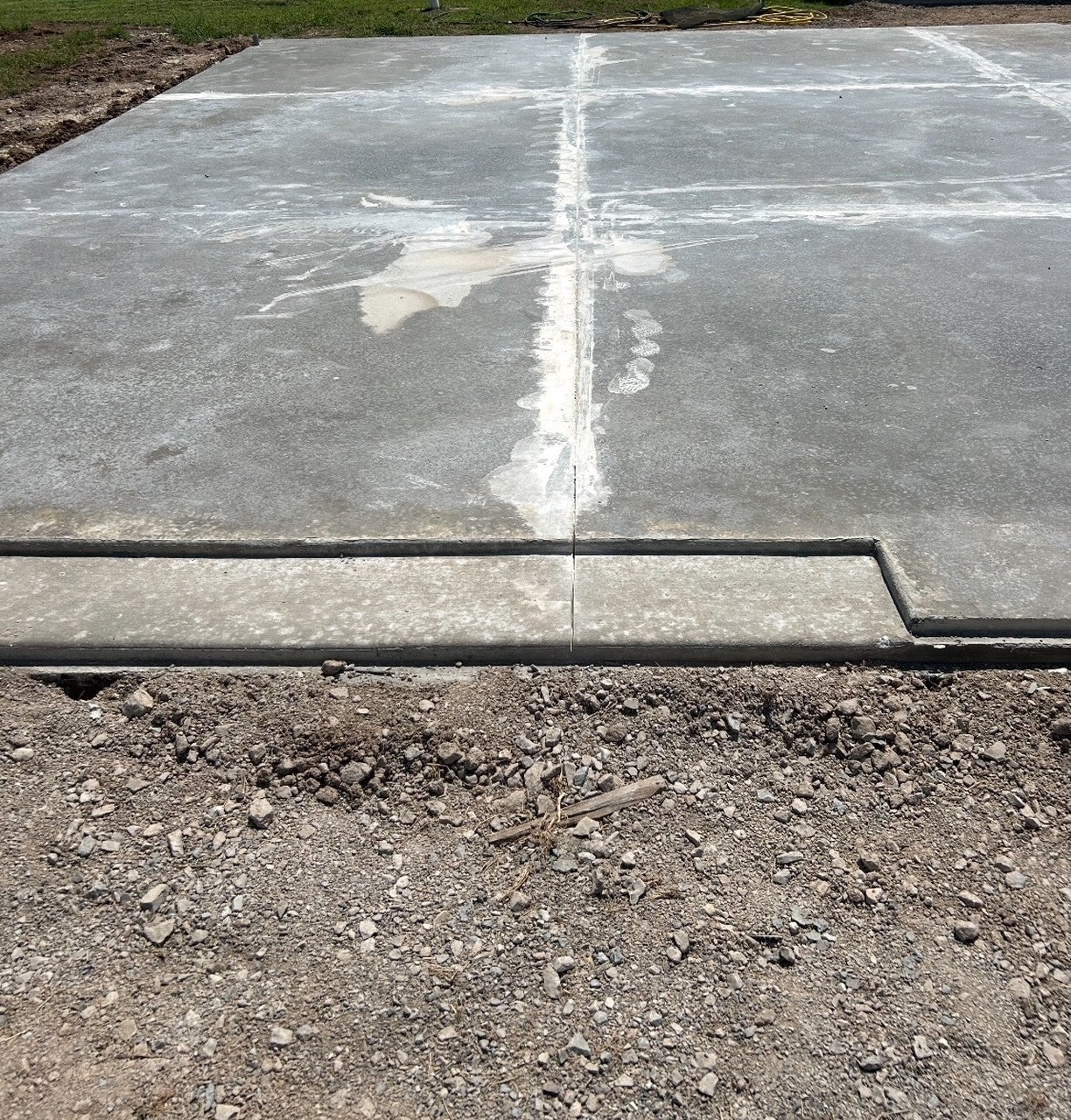
Concrete pad showing a saw cut and inset garage door opening detail

Concrete Work

INSET GARAGE DOORS & SAW CUTS

This owner-supplied work photo shows the inset garage-door opening and saw-cut layout on the concrete work.

Concrete walk door opening showing the inset and perimeter lip detail

Walk Door Opening

INSET WALK DOOR WITH 1/2-INCH LIP

Walk door openings use a 1/2-inch inset and lip detail as part of the TBC standard building approach.

Built for Your Property

YOUR BUILDING IS CUSTOM. THE CONVERSATION SHOULD BE TOO.

Bring TBC your size, options, location, and goals. TBC will review the details with you and price the project for the custom work requested.

Build Your Estimate

Ready to Talk Details?

LET'S PLAN YOUR TBC BUILDING.

Use the instant quote tool to start with your building choices, or call the TBC team to talk through a custom project.